Why do two siblings with the same start in life have such drastically different paths?
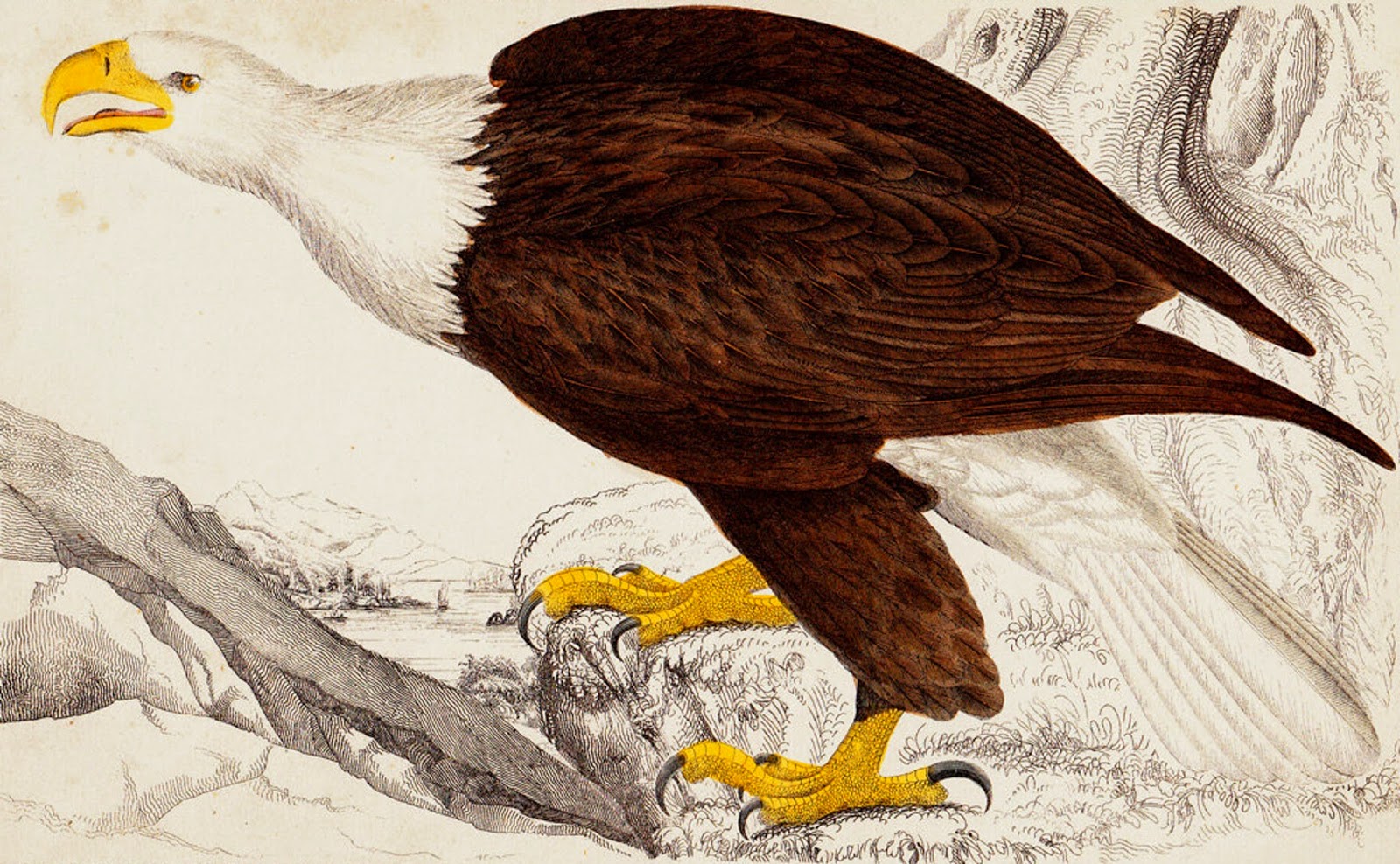
Seabird is a 75,000-word manuscript of hybrid memoir and essays that follow my brother’s addiction and the fallout of his overdose several years ago. It is a deep examination of my family’s journey throughout the years he’s used, our differing life choices, and the potential role our dysfunctional, multicultural childhood in the Arizona played in his choices. Throughout the book, I discover I’m pregnant and I begin to contemplate what it means to bring a child into the world, and maybe more frightening, what it means to become that child’s mother after watching my own weather my brother’s choices. One of the essays was already published on The Rumpus in 2024, and is available here: Triggers and Warnings.
Seabird asks the question why do two siblings, with the same start in life, have such drastically different paths? It follows my family for four days in 2016, as we track down my brother after his overdose and scramble to get him help. Woven throughout the book’s five chronological sections are essays, research, and critical theory as each relates to my brother’s substance abuse, our family history, and the drug epidemic today. For many reasons, my brother is represented as an eagle in its pages, and I never use his name. Avian and boating imagery—he started working on a fishing boat at fifteen—are woven throughout the text, serving as literary tools to explore our family’s journey through my grandfather’s suicide, my Lebanese father’s alcohol addiction in the nineties, our parents’ divorce, and our current struggle to save my brother.
Written in the spirit of Jamaica Kincaid’s My Brother, Melissa Febos’ Abandon Me, Natalie Diaz’s When My Brother Was an Aztec, and Lily Huong’s A Bestiary, and with the narrative style and structure akin to Wild, Seabird has been a multi-year process that I’ve questioned many times. Is it right to intertwine my brother’s story with my own? Does anyone else share this situation, or am I alone? And after all these years, is this story still relevant? Seeing as 46% of Americans know someone who struggles with addiction, I think the answer is yes.
 Natalie Rose